
01
Don't smoke
Tobacco remains one of the clearest avoidable threats to lifespan and healthspan. If you smoke, stopping is a higher-priority longevity intervention than almost anything discussed later on this page.
Clinically studied. Recommended by 2,000+ verified clinicians. 15M+ NOVOS servings enjoyed worldwide. 81% of NOVOS customers feel a difference within 2 weeks
The guide to eating, moving, sleeping and supplementing for a longer, healthier life.
Longevity is not one hack, molecule, diet or workout. It is the cumulative effect of hundreds of choices acting on the interconnected systems that determine how we age. This is the NOVOS framework for putting the strongest evidence into practice.
Clinically studied2,000+ verified clinicians recommend NOVOS15M+ NOVOS servings enjoyed worldwide
Cells produce energy less efficiently over time.
Damaged cells stop dividing and signal inflammation.
Proteins become harder to fold, maintain and clear.
Signals between cells and tissues shift.
DNA damage accumulates faster than it is repaired.
Gene regulation drifts from its youthful pattern.
Chromosome ends erode with cell division.
Growth and repair pathways lose balance.
Tissue renewal capacity declines.
Cellular recycling becomes less effective.
Chronic low-grade inflammation rises.
The gut ecosystem loses diversity and balance.
You do not age through one pathway. So longevity should not be approached through one intervention.
Aging emerges from interconnected biological processes occurring throughout the body. Mitochondria produce less efficiently. Proteins become harder to maintain. Senescent cells accumulate. Gene regulation changes. Inflammation can increase. Stem-cell function declines. The microbiome shifts.
Scientists increasingly describe these processes through the 12 Hallmarks of Aging. That matters because optimizing one pathway while neglecting everything else is unlikely to be the best strategy.
The NOVOS Routine therefore works at three levels: lifestyle → biological systems → measurable outcomes.
The behaviors with the strongest evidence and greatest probable effect.
Nutrition, supplementation, metabolic health and other interventions that help optimize the systems underneath healthy aging.
Track meaningful health and aging signals and adjust over time.
Interesting interventions being studied for longevity, but where the evidence remains incomplete.
Select a behavior to see the biological systems it acts on and what it helps preserve.
The highest-tech longevity intervention cannot compensate for consistently poor sleep, inactivity, smoking, metabolic dysfunction, or a poor diet.
Tobacco remains one of the clearest avoidable threats to lifespan and healthspan. If you smoke, stopping is a higher-priority longevity intervention than almost anything discussed later on this page.
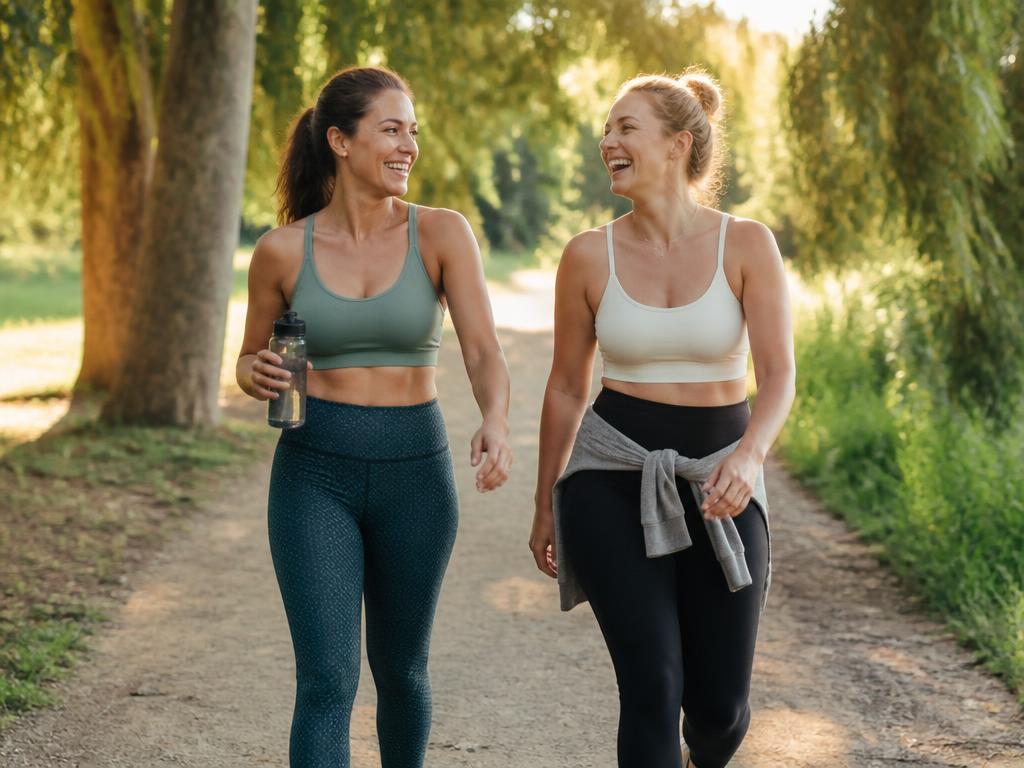
Exercise is one of the most consistently supported interventions for healthy aging. It preserves cardiovascular fitness, muscle, bone, insulin sensitivity, brain health and physical independence.
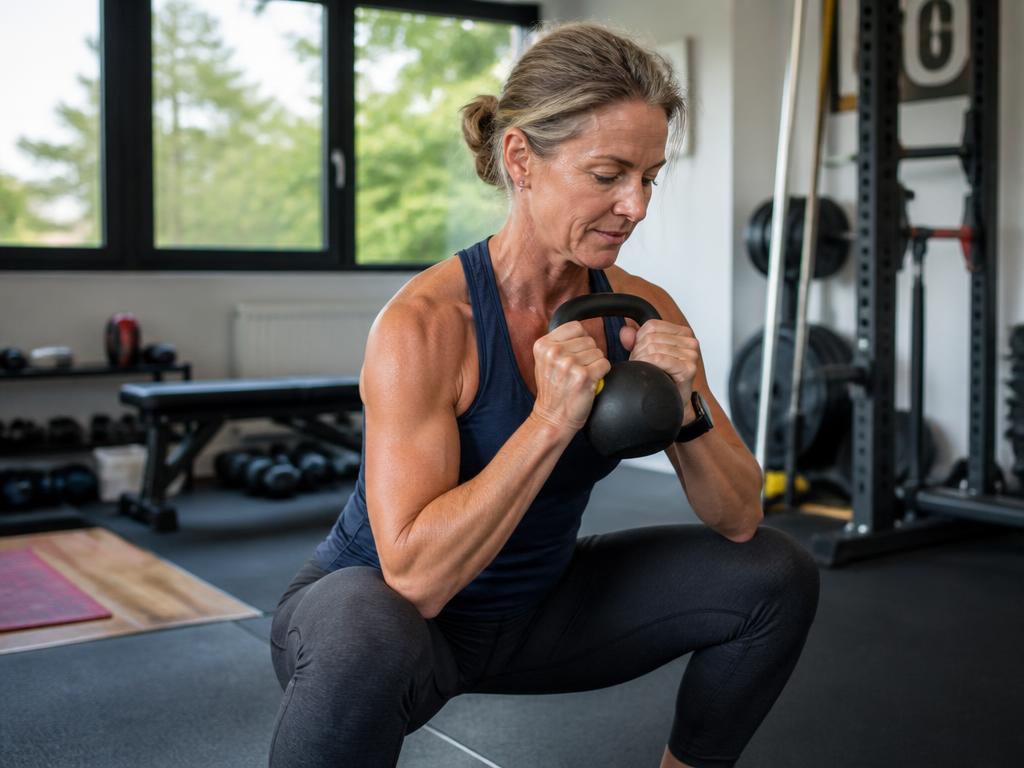
Muscle is metabolic machinery as well as movement machinery. Strength becomes increasingly valuable with age, when loss of muscle and power can accelerate frailty and loss of independence.
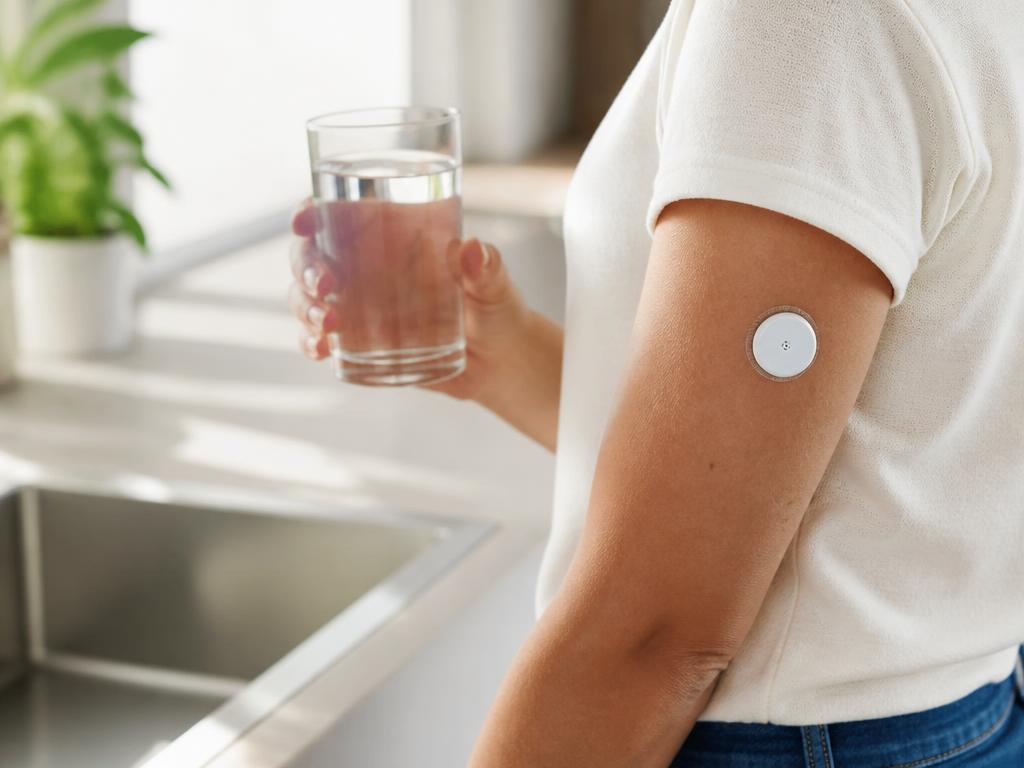
Avoid chronic overnutrition, excessive visceral fat and poor glucose control. Favor whole foods, fiber, movement and a dietary pattern you can sustain for decades.

Sleep is not downtime. It is when multiple systems involved in cognition, metabolism, hormonal regulation and recovery recalibrate.
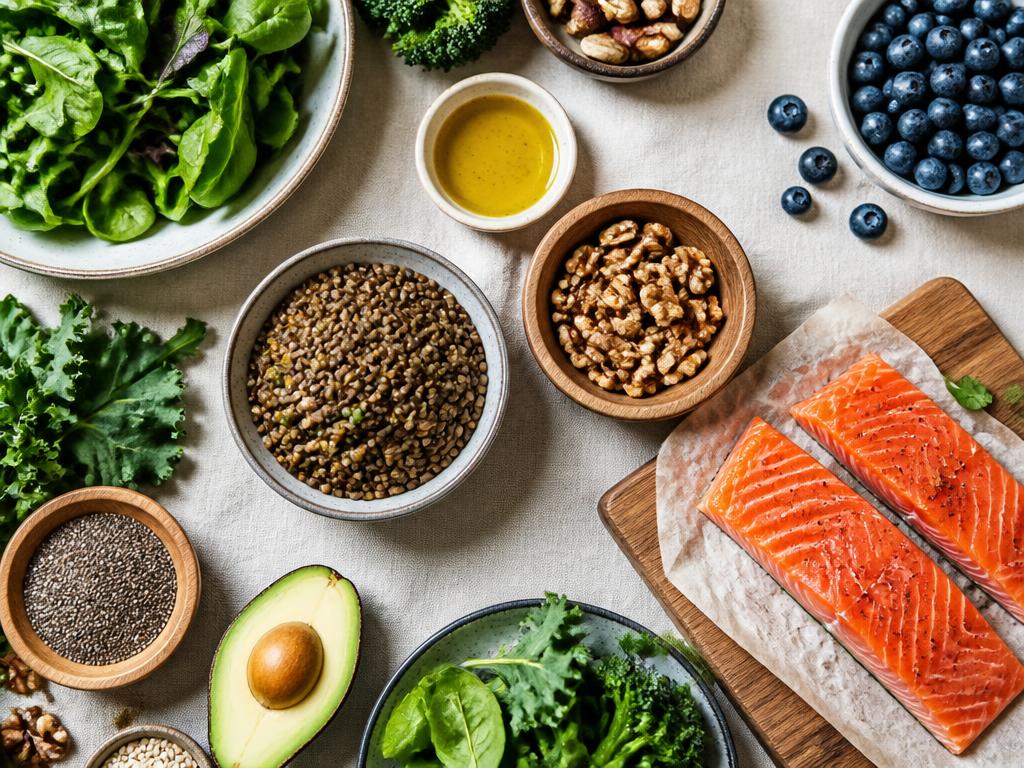
Build your diet around plants, legumes, vegetables, fruit, mushrooms, nuts, seeds, extra-virgin olive oil and other minimally processed foods rather than designing your diet around supplements.
Longevity begins with fundamentals. Optimization comes next.
There is no single “longevity diet,” but the strongest human evidence repeatedly converges around similar principles: abundant minimally processed plants, fiber, healthy unsaturated fats, adequate protein, fewer refined carbohydrates, and relatively little processed meat and ultra-processed food.
Mediterranean-style dietary patterns remain among the best-studied approaches for cardiovascular health and longevity. The useful distinction is not carbohydrate avoidance. It is food quality rather than macronutrient ideology. Read more on the longevity diet →
Step 1 of 6. Half the plate is vegetables, leafy greens and other plants. Volume, fiber and polyphenols first.
Vegetables, mushrooms, greens and colorful plants.
Protein, emphasizing legumes, beans, lentils, fish and other high-quality sources.
High-quality minimally processed carbohydrates when desired, such as beans, intact grains, quinoa, fruit or starchy vegetables.
Healthy fats, fermented foods, herbs and spices are add-ons rather than portions. They are calorie dense or eaten in small amounts, so they layer over the three portions: one to two tablespoons of extra-virgin olive oil or avocado, a small handful of nuts or seeds, a few tablespoons of kimchi, sauerkraut, kefir, yogurt or miso, and as many herbs, spices, garlic and onions as you like.
Do not interpret this as a requirement to divide every literal plate this way. It is a mental model for constructing the overall diet.
Older versions of longevity advice sometimes treated protein itself as a problem because amino acids activate growth pathways such as mTOR and IGF-1. The reality is more nuanced.
Maintaining muscle, strength and physical function becomes increasingly important as we age. Chronically insufficient protein can work against those goals. At the same time, protein source and amino-acid composition may matter. Human observational research generally favors replacing some animal protein, especially processed and red meat, with plant protein.
Meanwhile, animal research suggests that reducing specific amino acids such as methionine and isoleucine can influence nutrient-sensing pathways, metabolic health and lifespan. That is scientifically interesting, but it is not yet evidence that intentionally restricting these amino acids will extend human lifespan.
Relative growth-pathway signaling per gram of protein, based on leucine, methionine and isoleucine content. Select a source to see the trade-off. Illustrative comparison, not a clinical measurement.
A complete plant protein blend, which is the approach used in NOVOS Bar: all essential amino acids with adequate leucine and comparatively less methionine and isoleucine.
The longevity goal is not low protein. It is enough high-quality protein to preserve muscle without designing the entire diet around maximum protein intake.
NOVOS Bar was created for the moments when eating a perfect whole-food meal is unrealistic: travel, meetings, workouts, or a busy day.
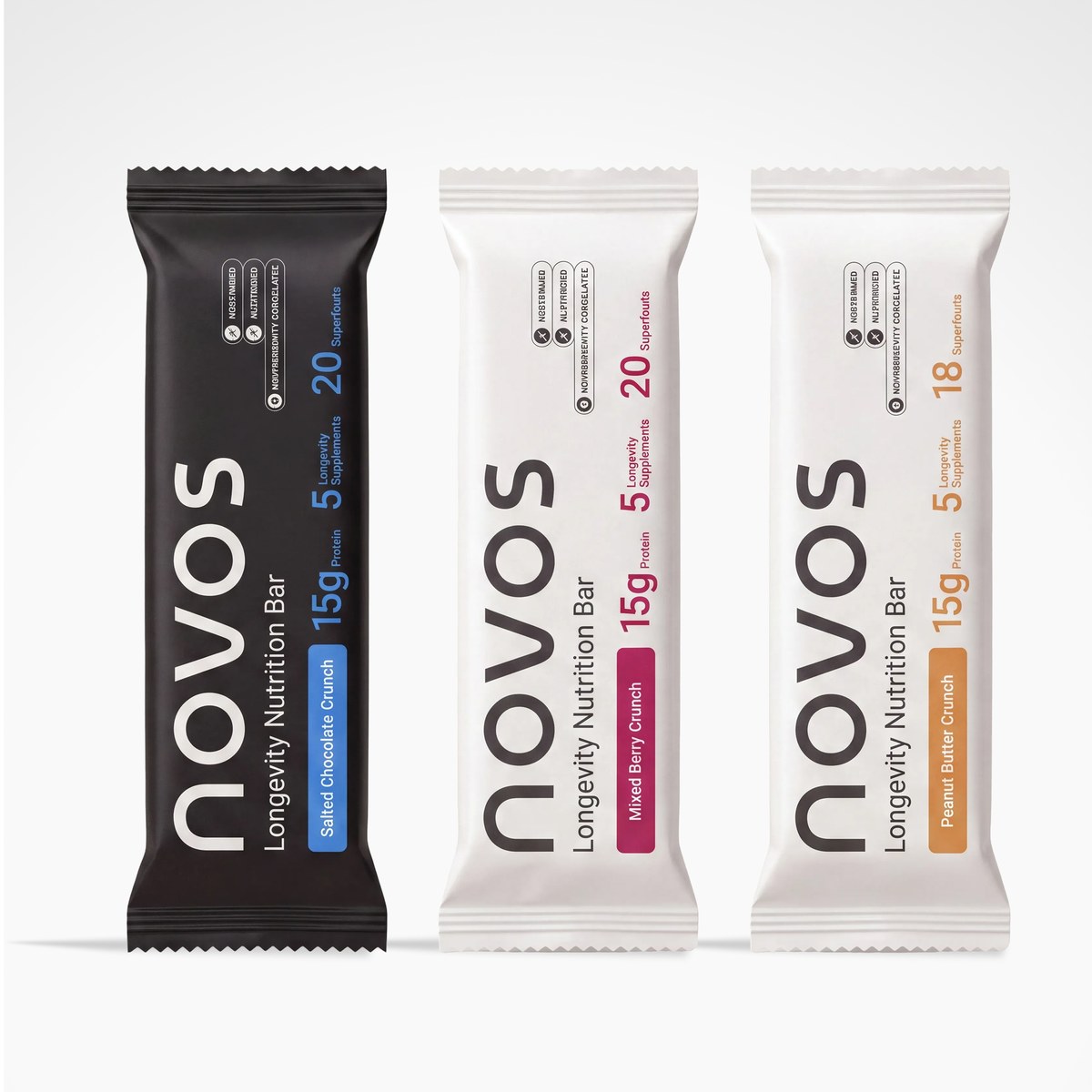
NOVOS chose plant protein sources that are naturally lower in methionine and isoleucine than whey, casein or egg white while still providing adequate leucine. Restriction of methionine and isoleucine has produced intriguing metabolic and lifespan effects in animal studies.
Meal timing is a promising longevity-adjacent tool, but human evidence is much stronger for metabolic health than for extending lifespan.

A roughly 10–12 hour daily eating window is practical for many people. Some choose an 8–10 hour time-restricted window; randomized human trials suggest this can produce modest metabolic benefits in some populations, including people with metabolic syndrome.
Allow meaningful periods during the day and overnight when you are not continuously consuming calories.
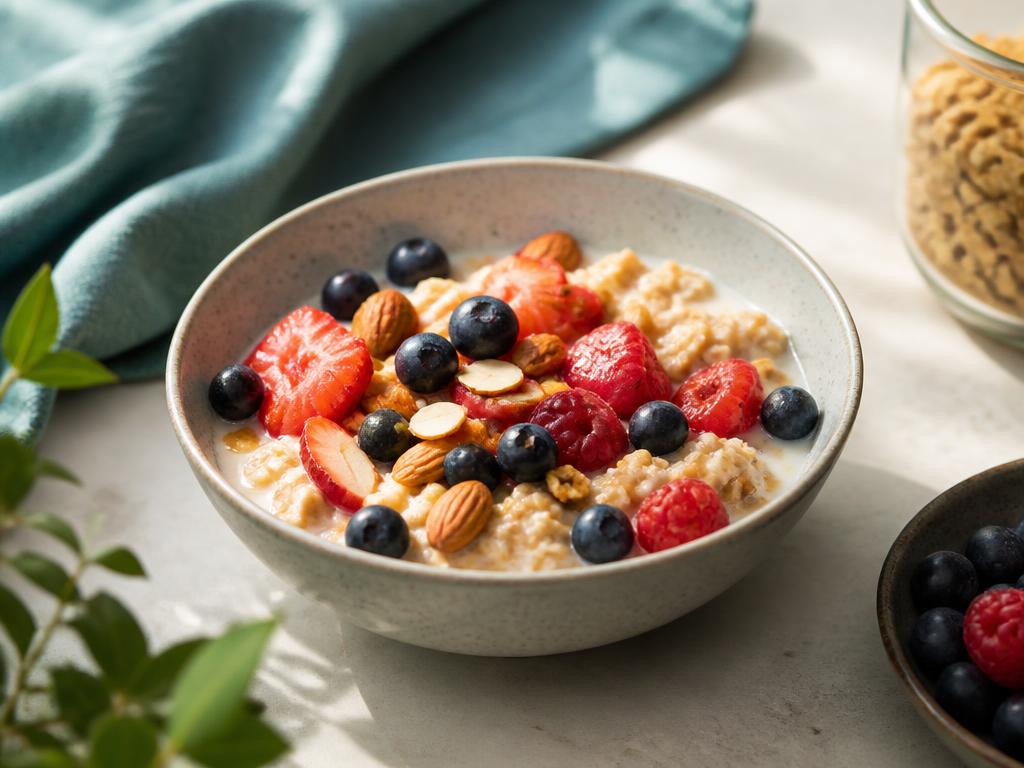
When practical, consuming more calories earlier rather than concentrating the largest meal immediately before sleep may better align food intake with circadian biology.
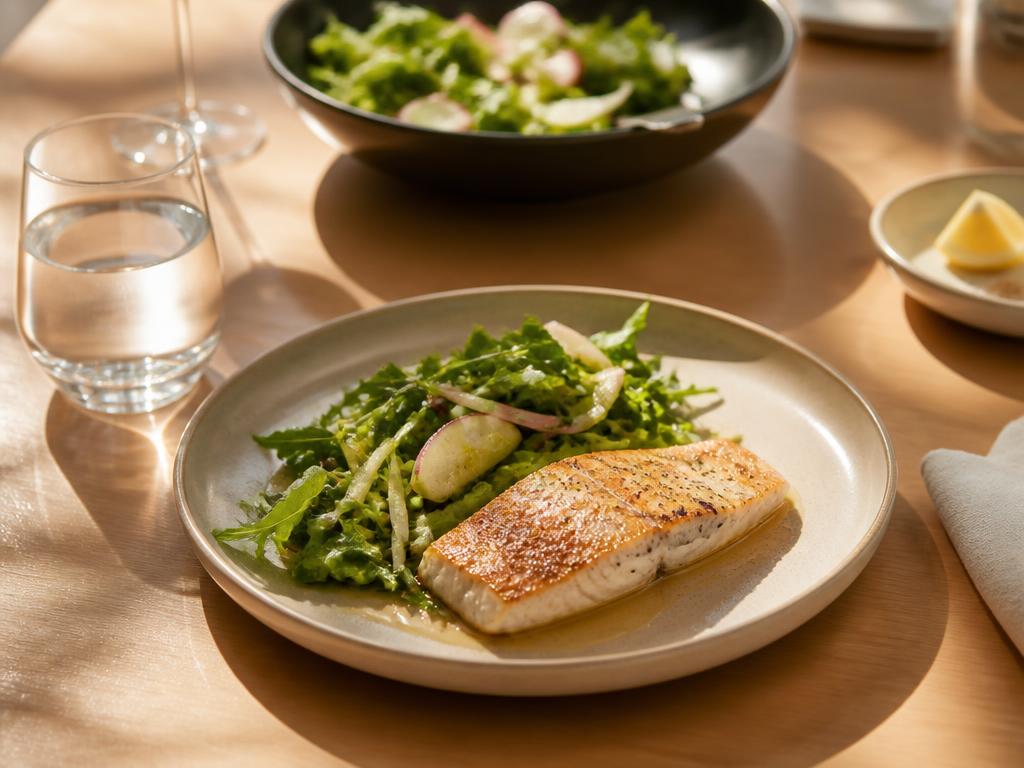
Avoid very large meals immediately before sleeping.

Long fasts are not necessary for a good longevity routine. They can create downsides involving lean mass, training quality, medication management, electrolytes or disordered eating, so treat them as optional rather than foundational.

Human evidence supports modest cardiometabolic effects from time-restricted eating. Human lifespan extension has not been demonstrated.
Cardiorespiratory fitness, strength, muscle and balance are among the most valuable physical assets you can carry into later life.
Daily low-intensity movement.
Build cardiovascular capacity.
Preserve muscle, bone and power.
Preserve range of motion and reduce loss of function.
You do not need to worship 10,000. A large 2025 systematic review found that roughly 7,000 steps per day was associated with substantial improvements across multiple health outcomes compared with very low activity. More activity can still be beneficial, and 10,000 steps remains an excellent target for people who enjoy it. The most important message is simpler: move more and sit less.
Major health benefits already accumulate around 7,000 steps. This is a useful reference point from population research, not a biological threshold.
Current physical-activity guidelines recommend roughly 150–300 minutes per week of moderate-intensity aerobic activity, or 75–150 minutes of vigorous aerobic activity, or a mixture.
Most aerobic training does not need to be maximal. A practical routine combines easy-to-moderate aerobic work that builds endurance with occasional harder intervals that challenge cardiorespiratory capacity. The goal is not exhaustion. It is preserving and improving cardiorespiratory fitness over decades.
Perform resistance training at least two days per week, ideally training the major muscle groups. A comprehensive program should preserve leg, hip, back, pushing and pulling strength, plus grip and power.
2 full-body sessions per week.
3 full-body sessions or an upper/lower split.
Train according to performance goals while protecting recovery.
Muscle mass matters, but strength and power matter too. As we age, the ability to get up, climb stairs, carry objects, recover from a stumble and generate force quickly becomes increasingly important.
Mobility work should support the movements you want to keep doing: dynamic mobility, full-range resistance training, balance work, and yoga or Pilates if you enjoy them. For older adults, balance becomes increasingly important for reducing falls and preserving independence. Passive stretching alone is not a major independent lifespan intervention.
One of the most useful longevity questions is not “How much can you suffer in a workout?” It is “How much physical reserve are you building for the future?”
Strength + walking
Aerobic + walking
Walking / mobility / recovery
Strength + walking
Aerobic or intervals
Long easy movement / recreational activity
Recovery + walking
An illustrative sample week, not personalized medical advice. The best plan is one you can progressively sustain without accumulating injury or exhaustion.
Supplements should not compensate for a poor diet, poor sleep or inactivity. They can, however, serve two useful purposes.
Help close specific dietary or physiological gaps.
Deliver compounds studied for their effects on biological pathways associated with aging.
A high-quality multivitamin plus omega-3 (EPA and DHA) gets most people practically all the way there on basic nutrient sufficiency. Add vitamin D if your levels or sun exposure call for it, and B12 if you eat little or no animal food. That is the whole starting kit. Everything in the checklist below is context, not a shopping list.
Supplement what makes sense for your diet, biology, medications and risk factors, not what happens to be trending online.
Educational reference, not a universal supplement schedule. Expand any nutrient for context.
No single blood panel perfectly captures nutritional status. Some nutrients are measured well, some biomarkers reflect only part of total-body status, and interpretation depends on diet, symptoms and clinical context. Use laboratory testing where validated, and interpret it together with your healthcare professional rather than assuming either “normal” or “abnormal” automatically tells the whole story.
Different products address different parts of the longevity system. They are designed to complement, not replace, the lifestyle fundamentals above. Select a product to see it.
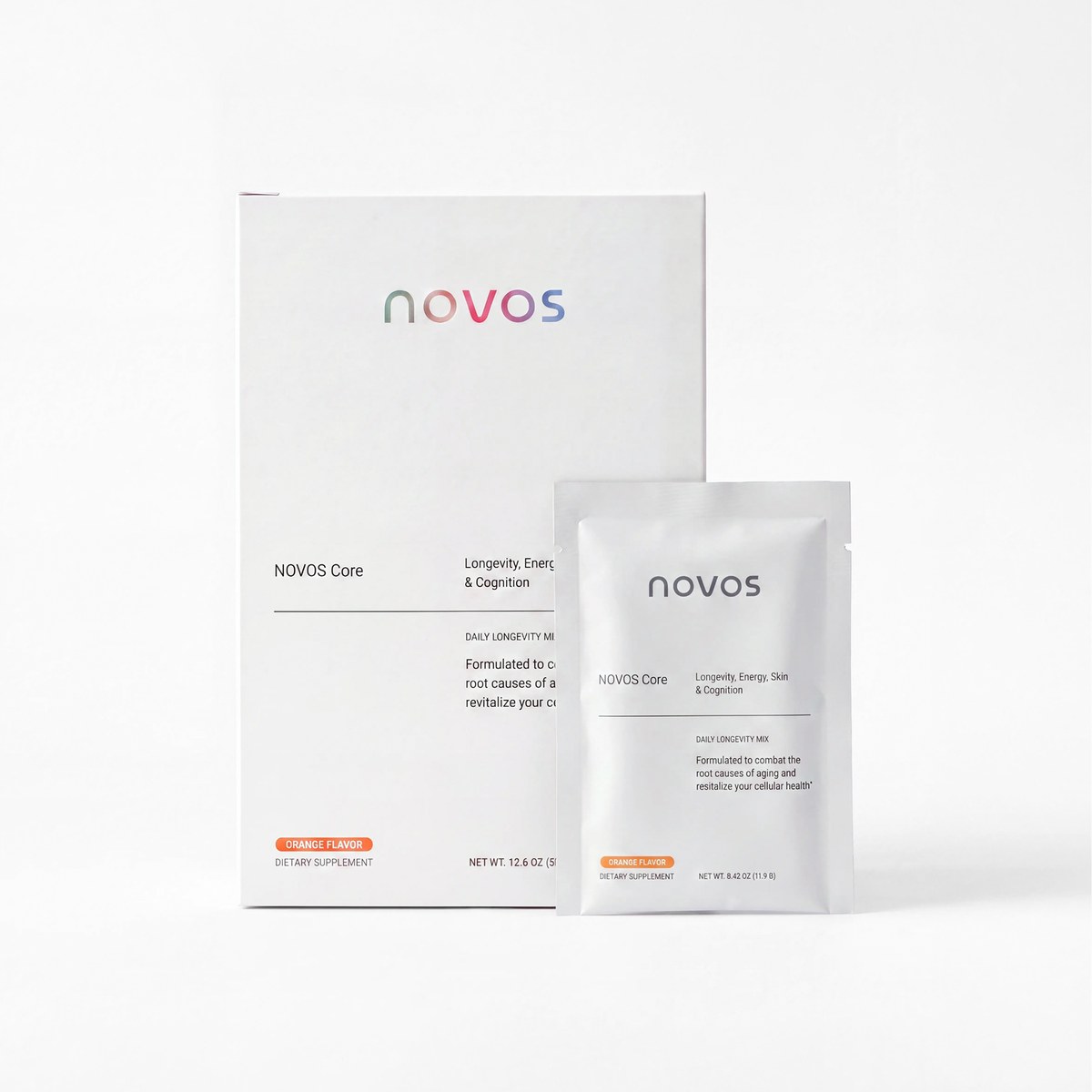
NOVOS Core is the foundational NOVOS daily formulation. Rather than focusing on one pathway, Core was designed around all 12 Hallmarks of Aging using 12 longevity ingredients in one daily serving.
The finished formulation, not merely its individual ingredients, has been evaluated in a randomized, double-blind, placebo-controlled human clinical trial in adults over 40. The study found improvements versus placebo in cardiovascular aging markers including endothelial function, arterial flexibility, and systolic blood pressure already within the studied population's range.
Longevity is built by ordinary days repeated for decades. This is an illustrative structure, not a prescription.
Most adults need roughly seven to nine hours of quality sleep. Chronic short sleep is associated with worse cardiometabolic, cognitive and immune outcomes.
During sleep the brain clears metabolic byproducts, memory is consolidated, hormonal rhythms reset and tissue repair accelerates. You cannot out-supplement chronically poor sleep, and improving sleep is one of the highest-return changes available to most people.
Quantity matters, but so does regularity. A predictable sleep window is itself a longevity habit.
Stress, sleep, connection and purpose are not separate from physical health; they shape it through measurable pathways.

Chronic psychological stress affects sleep, blood pressure, behavior and inflammation. Practices such as breathing work, meditation, time outdoors and structured downtime can help regulate the stress response.

Strong social connection is consistently associated with better health outcomes and lower mortality risk in population research, while loneliness and isolation are associated with worse outcomes. Relationships are not a soft extra; they are part of the routine.

A sense of purpose, continued learning and mentally engaging activity are associated with better cognitive and psychological outcomes with age.
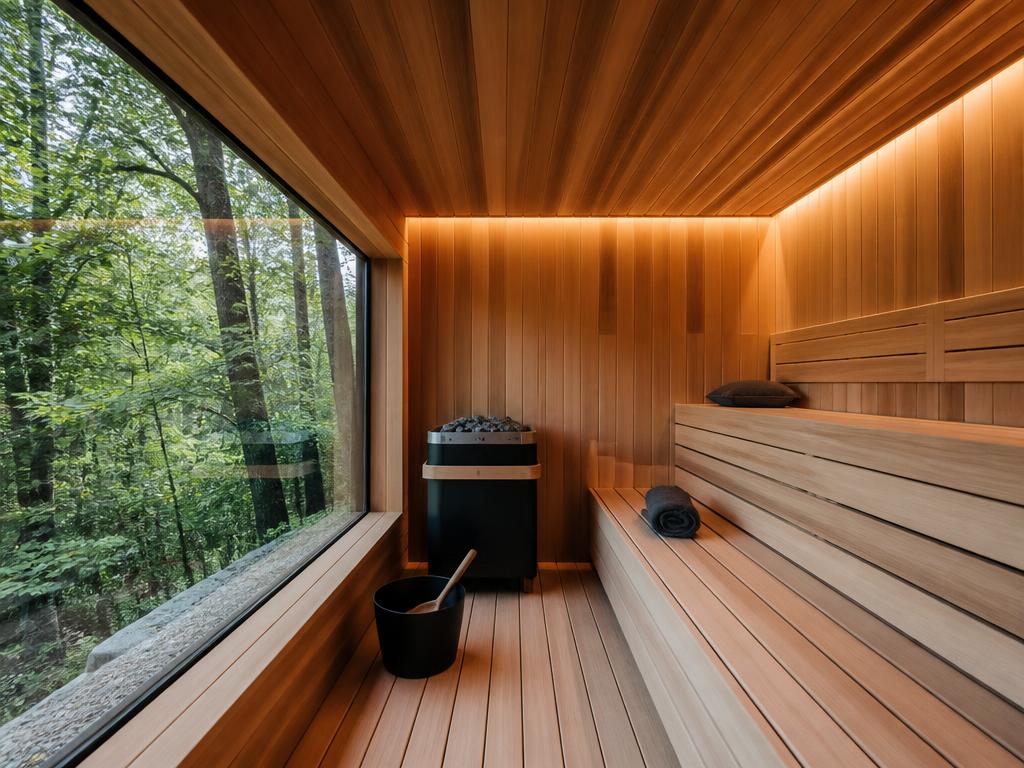
Regular sauna use has been studied in connection with cardiovascular measures and wellbeing, largely in observational cohorts and smaller trials. Use with caution if you have cardiovascular conditions, are pregnant, or are dehydrated.

Cold showers and cold-water immersion are popular and may support mood and perceived recovery, but the human longevity evidence is limited. Extremely cold immersion carries real risks for some people.

Oral hygiene and sun protection are underrated maintenance layers with long-term relevance to inflammation, dental preservation and skin aging.
Recovery is not the reward for training. It is part of the training.
Some of the highest-value actions are not exotic. Do not smoke or vape. Keep alcohol low or absent. Protect your skin from excessive UV exposure. Stay current with recommended screenings and vaccinations for your age and risk profile. Manage blood pressure, blood lipids, blood sugar and body composition with your clinician. Wear a seatbelt and a helmet.
Screening and medication decisions belong with your healthcare professional, who can account for your history, risk factors and medications.
Without measurement, a longevity routine is guesswork. With measurement, it becomes an experiment you can adjust.
Blood pressure, lipids, fasting glucose, HbA1c, inflammatory markers and more, with your clinician.
Strength, grip, VO2 or estimated fitness, balance and mobility, meaning how your body actually performs.
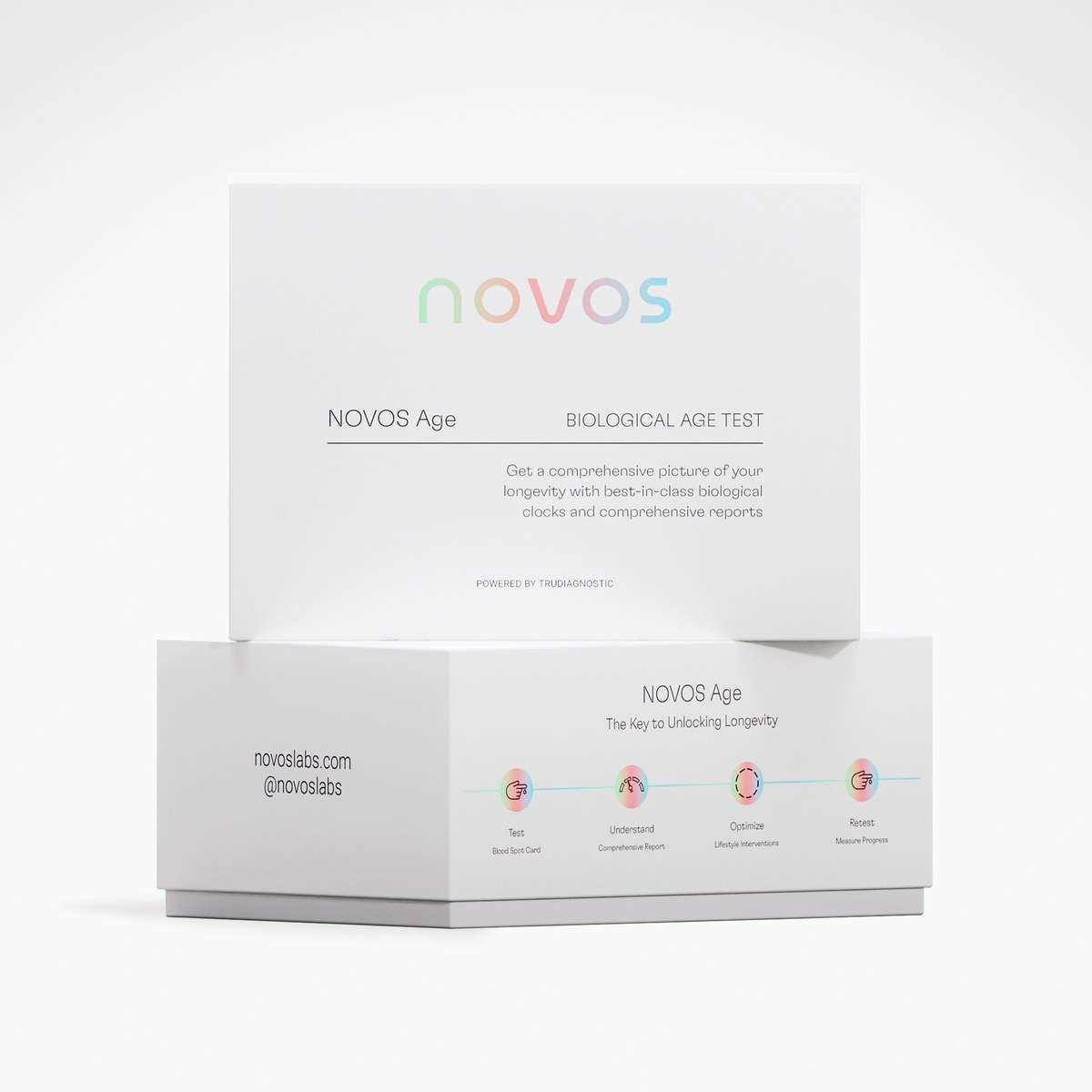
These four measures are what NOVOS Age provides from a single at-home blood sample.
An epigenetic estimate of how your body compares with your chronological age.
How fast you are currently aging, measured with DunedinPACE.
11 organs and systems, because aging is not uniform across the body.
One well-known cellular aging marker, best interpreted alongside others.
Every test has measurement variability. A single change in a biological-age result is not proof that something worked; trends across repeated measurements are far more meaningful than any single number. Biological-age tests are research-informed wellness tools, not diagnostic tests, and they do not replace medical evaluation.
The most useful cadence for most people: establish a baseline, change the fundamentals deliberately, retest after enough time has passed for biology to respond, and pay attention to how you function, including energy, sleep, strength and cognition, alongside the data.
These approaches are scientifically interesting. None of them replace the fundamentals, and none should be self-administered based on a web page.
A widely used prescription diabetes medication that has attracted longevity interest and is being studied in aging research. It is not an approved anti-aging drug, has side effects and interactions, and any use is a prescription decision made with a physician.
The frontier is worth following. It is not worth substituting for sleep, food, movement and measurement.
This section is educational. It does not include dosing protocols and is not a recommendation to use any prescription medication or investigational therapy. Discuss any such interest with a qualified physician.
NOVOS formulations and educational content are developed with input from scientists across aging biology, genetics and medicine at institutions including Harvard, MIT and the Salk Institute.
 Dr. George Church, PhDProfessor, Harvard Medical School & MIT
 Dr. J. Pedro de Magalhaes, PhDProfessor, Harvard Medical School and University of Birmingham
 Dr. Oliver Medvedik, PhDProfessor, Harvard Medical School and The Cooper Union
 Dr. Avi Rosenbaum, PhDResearcher, Harvard Medical School
 Dr. Pamela Maher, PhDResearcher, University of British Columbia and Salk Institute for Biological Studies
 Dr. Robert Lufkin, MDDistinguished Professor of Radiology and Chief of Metabolic Imaging, USC School of Medicine
 Dr. Diogo Barardo, PhDNational University of Singapore, NOVOS Director of R&D
 Chris MirabileFounder & CEO, NOVOS · Longevity thought leader
 Dr. Kris Verburgh, MDCo-Founder, NOVOS. University of Brussels / Singularity University Benelux
Tick what you already do. Whatever remains unticked is your shortlist for you to focus on.
0 of 15 habits in place (0%)
Tap a rule to bring it forward.
The routine on this page is the foundation. NOVOS is designed to sit on top of it, formulated around the biology of aging and measurable with NOVOS Age.
These statements have not been evaluated by the Food and Drug Administration. These products are not intended to diagnose, treat, cure, or prevent any disease.
This page is educational and is not medical advice. It does not replace consultation with a qualified healthcare professional, particularly if you are pregnant or nursing, have a medical condition, or take medications. Individual results vary.